Skip Hire in Feltham for straightforward waste removal
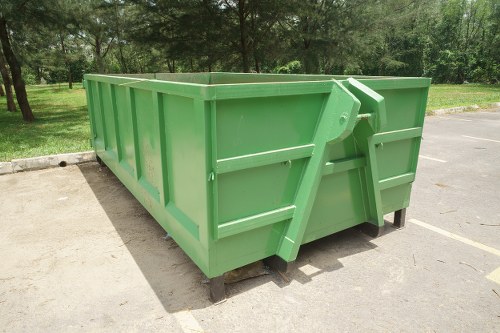
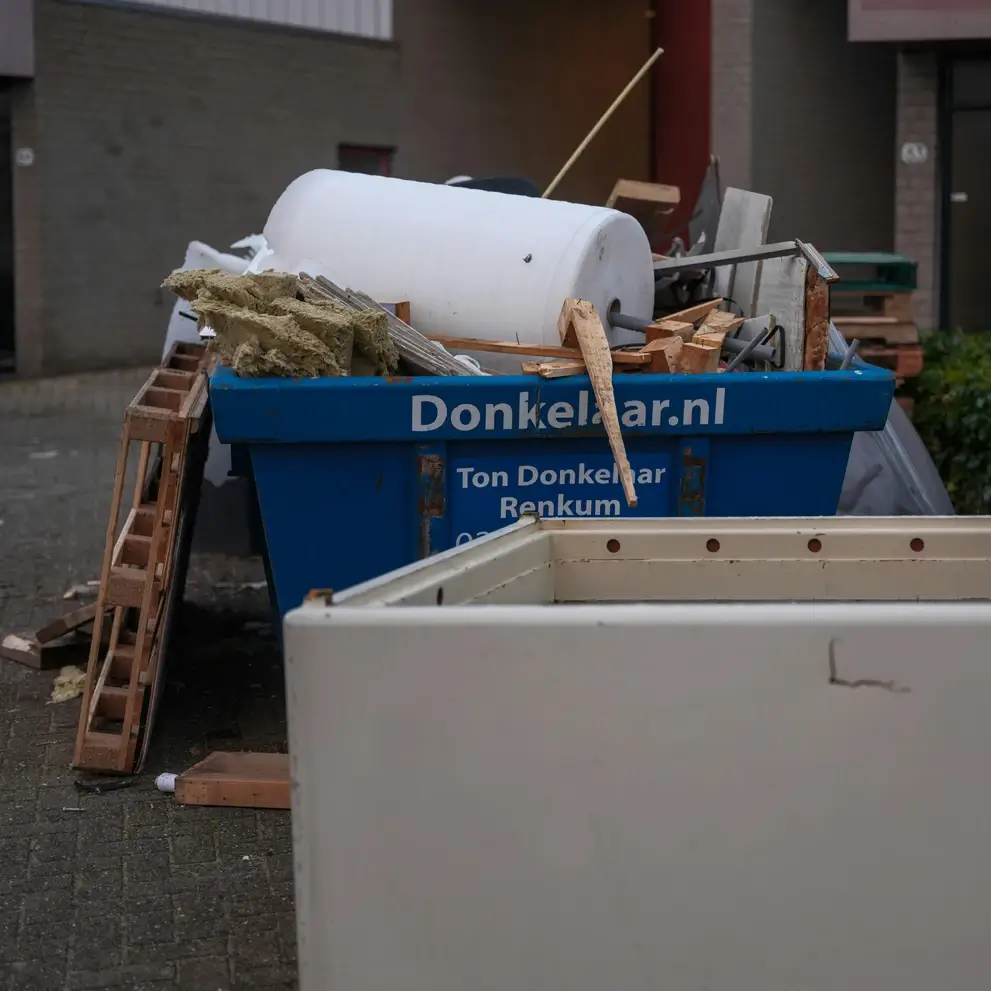
Skip hire in Feltham is a practical way to manage mixed waste from home clear-outs, garden work, refurbishment projects and ongoing trade jobs. We provide a simple service focused on suitable skip sizes, responsible disposal and clear guidance on what can be loaded safely. Whether you are planning a short domestic task or a more regular commercial requirement, the aim is to make the arrangement clear from the start and keep the collection process efficient.
The right skip depends on the type of waste, the amount you expect and how the skip will be used on site. Builders’ rubble, timber, packaging, green waste and household items all behave differently once loaded, so it helps to choose the size and service type carefully. Our main service is built around practical waste handling rather than unnecessary complication, with options that suit straightforward clearances as well as more structured jobs.
If you already know the kind of waste you have, use the service pages below to narrow down the most suitable option. If you are still deciding, a quick quotation request can help match the load type to the right skip or collection approach.
Domestic waste and property clear-outs
Domestic skip hire is often used when a property needs a single, tidy place for waste during decorating, room clearances or general decluttering. It can suit jobs where waste arrives over several days and needs somewhere secure to stay until the work is finished. For many households, the value lies in keeping rubbish contained rather than building piles on driveways or in communal areas, especially when the work includes a mix of materials.
For larger clear-outs, related services such as house clearance and garage and loft clearance can be useful where the job is less about having a skip on site and more about removing accumulated items in one organised process. We also support domestic projects with clearer disposal routes for bulky household waste, including items that need separate handling rather than being mixed into general rubbish.
Typical domestic decisions include whether the load is mainly light waste, heavier renovation debris, or a combination of both. The wrong mix can limit the usable capacity of a skip, so it is worth thinking through what will be thrown away before arranging delivery. If the plan is still evolving, keep a short list of the waste types involved and use that to compare the most suitable service.
Builders’ waste and construction materials

Builders’ skip hire is designed for the practical demands of construction work, where waste usually includes brick, plasterboard, timber, packaging and site sweepings. On jobs with regular debris, it can be better to plan for steady loading rather than one-off disposal, so the skip size and collection timing need to reflect how the project is progressing. This is especially relevant when materials are bulky, dusty or awkward to stack neatly.
For work that creates heavier or more mixed demolition debris, builders’ skip hire, construction waste disposal and demolition waste removal provide clearer routes for job-specific waste control. These services are useful when the waste stream changes as the work develops, or when you need a more structured approach to separating reusable materials from general rubble and spoil.
One of the key decisions on a construction job is whether the waste should go into a skip, be moved with grab-hire, or be taken away in another format. Access, road layout and loading method all matter. Good planning at the start helps reduce wasted space and makes it easier to keep the site safer and tidier while the project is underway.
Site clearance and heavier waste streams
Site clearance is appropriate where waste is spread across a larger area and the job involves more than a single stack of bags or a few bulky items. It can be used for strip-outs, external clean-ups and end-of-project tidy-ups where the aim is to leave the space ready for its next stage. This kind of work often benefits from a broader waste plan because materials may include soil, timber, fixtures, general rubbish and heavier fragments all at once.
Where ground-level loading or mechanical collection is more practical, site clearance and grab hire services can provide a more flexible way to remove mixed loads. They are especially useful when access is awkward or when the waste is piled in a way that makes manual filling inefficient. In some cases, muck away services are also relevant for soil and excavated material that should be dealt with separately from ordinary waste.
The choice here is less about a general rubbish solution and more about the handling method. Some materials are easy to stack, while others are better removed directly from the ground. If you are comparing options, look at the type of waste first, then the access and volume, and finally the most practical method of collection.
Garden, outdoor and seasonal clearances
Garden waste removal can be a simple way to deal with branches, hedge cuttings, soil, turf, leaves and other outdoor debris after maintenance or landscaping work. It is also useful when outdoor storage areas have filled with old pots, broken fencing or general clutter that needs to be cleared before further work can begin. Because garden waste can be light but bulky, it often needs a service that is planned around volume as well as weight.
For exterior projects, garden waste removal and waste recycling services can help separate green waste from mixed rubbish where different materials need different treatment. If the job includes shed contents, broken slabs or leftover renovation items, it may be better to choose a mixed-waste service instead of a green-waste-only approach. The important thing is to match the disposal method to the contents, not just the amount.
Garden work often produces waste in stages, especially when pruning, digging and resurfacing happen at different times. A planned collection method can keep the process easier to manage. If the space is limited, consider how the load will be carried from the working area to the vehicle or skip, and whether the waste should be kept separate for recycling or taken together.
Commercial premises and routine waste control

Commercial skip hire supports shops, workshops, offices and other premises that need a reliable way to deal with packaging, broken fixtures, refurbishment debris and routine clear-out waste. The benefit is often less about one large load and more about keeping waste controlled while work continues on the premises. That may mean organised disposal during a fit-out, a one-off strip-out, or scheduled waste removal around a busy working day.
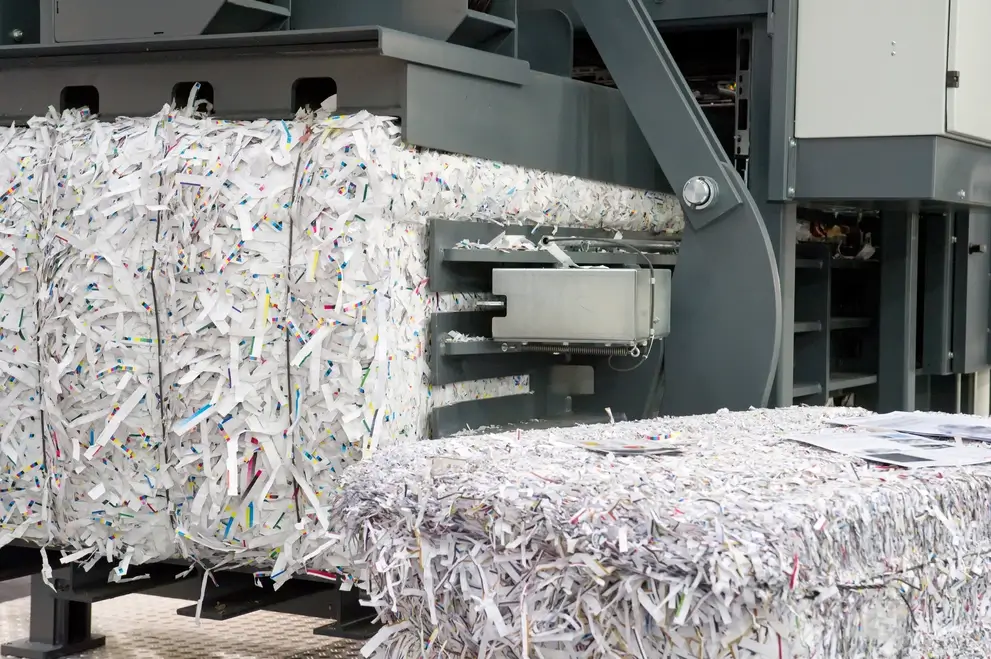
For business premises, commercial skip hire and office clearance offer different approaches depending on whether the main task is ongoing waste collection or removal of redundant contents. Offices may create paper, furniture and outdated equipment in one project, while retail or trade settings may generate mixed packaging and repair waste. Where confidentiality matters, confidential shredding is a useful separate service for paper records and sensitive material.
Well-planned commercial disposal can reduce disruption by keeping waste in one place and helping staff know what should go where. If the premises are being reorganised, it is sensible to think about access, loading point and likely waste categories before arranging the service. That makes it easier to choose between skip hire, clearance or a more targeted collection option.
Choosing skip sizes and understanding loading limits
Choosing the right skip size matters because it affects both convenience and the amount of waste that can be removed in one visit. A skip that is too small may require extra collections, while one that is too large can take up unnecessary space. The decision usually comes down to the waste type, how compact it is when loaded, and whether the job produces dense builders’ rubble or lighter, bulkier items. Mixed waste can be deceptively awkward because gaps appear quickly between items.
For help comparing the practical options, skip sizes and prices gives a useful starting point, while what can go in a skip explains common loading considerations. If you are weighing up how to stay within the most suitable limits, it can be helpful to sort the waste into groups before booking: heavy material, light material, recyclable items and anything needing separate disposal. That simple step often makes the final choice clearer.
A brief checklist can make the decision easier:
- estimate the main material type first, not just the total volume
- separate heavy rubble from lighter mixed rubbish where possible
- consider access for delivery, placement and collection
- keep any restricted items aside for separate handling
Permits, access and placement planning
Some skip jobs are straightforward because the skip can sit fully on private ground, while others need more planning around access or placement. If the skip is likely to be placed where public highway arrangements matter, permit considerations become part of the booking process. That is why it helps to think about the physical location of the skip as early as possible, especially where driveway space, shared access or narrow entrances could affect delivery.
Where permit guidance is relevant, skip permits and skip hire permits provide the information needed to plan responsibly. For tighter spaces or situations where leaving a skip in place is difficult, wait and load skip hire may be a more suitable arrangement because loading and collection are handled in a shorter window. This can be useful when access is limited or when the site does not allow a longer placement.
Before booking, it is sensible to note the available width, any turning issues, and whether the area has overhead restrictions. That information helps avoid delays and makes it easier to identify the right disposal method. A little planning here can improve the whole experience, especially on roads, forecourts or shared sites where safe positioning matters.
Collection methods for awkward or bulky waste

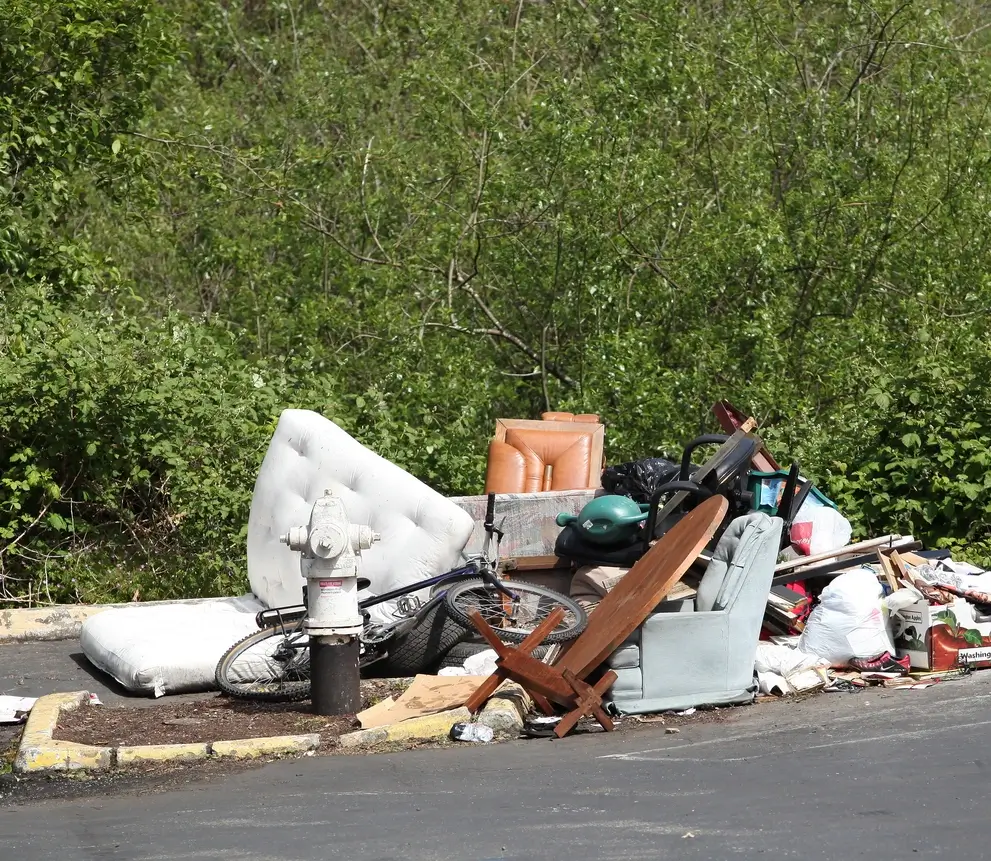
Not every job is best handled by a standard skip. Some waste is better removed through direct collection, especially when it is too awkward, too bulky or too scattered for simple loading. Furniture, appliances and mixed household items can sometimes require a different approach, while heavy site waste may be easier to gather mechanically rather than by hand. Choosing the right method helps keep the process efficient and avoids unnecessary handling.
Where the waste is bulky, mixed or difficult to break down, rubbish removal, fridge and appliance removal and mattress and sofa disposal can be more practical than hiring a skip. These options are especially useful for items that need separate treatment or are awkward to load efficiently into a container. They also suit customers who want a more direct removal approach rather than managing loading themselves.
Different waste streams call for different handling, and that is worth keeping in mind when comparing services. A single disposal plan can still cover several item types, but it should be chosen around the actual contents rather than a generic idea of clutter. If you are unsure which route fits best, compare the item list first and then decide whether a container, a collection or a specialist clearance is the better match.
About Feltham
Feltham is a town in the London Borough of Hounslow in west London, close to the boundary with the London Borough of Richmond upon Thames and not far from Heathrow Airport. Historically it developed from a rural settlement into a more built-up suburban district, with transport links helping shape its growth during the nineteenth and twentieth centuries. The area is now known for a mixture of housing, local shops, green spaces and industrial or commercial pockets rather than a single uniform town centre. Its layout reflects that layered history, with older routes, newer roads and estates sitting alongside one another. Feltham Green provides a traditional focal point, while the surrounding streets show a patchwork of post-war and later development. Public open space is an important part of the local landscape, including parks and recreation areas that give the district room to breathe within the wider urban edge. Nearby waterways and drainage channels, part of the broader Thames-side environment, also help define the geography of the area. The town’s rail station connects it to central London and the surrounding boroughs, reinforcing its role as both a residential base and a practical local centre. In cultural terms, Feltham is closely tied to everyday west London life: local shopping, schools, community facilities and access to larger nearby destinations all contribute to its character. The result is a place that is suburban in form but varied in texture, with a mix of old and new that can still be read in the street pattern and the remaining public spaces.
Booking, quotations and next steps
Once you have decided which kind of waste service fits your project, the next step is to prepare a clear enquiry. It helps to note the waste type, the rough amount, the site access and whether the material is domestic, commercial, green or construction-related. That information makes it easier to compare options and obtain a quotation that reflects the actual job rather than a broad estimate. If the work is changing over time, a short description of the likely load can still be enough to start the conversation.
Pricing and quotes is the best place to look if you want to request a quotation based on your own waste requirements, and book online is available where a direct booking route is preferred. If you would rather keep things simple, send through the basics and ask for the most suitable option for the waste you have. A clear request usually leads to a clearer answer, especially when the contents are described honestly.
For a neat finish, keep your request focused on the practical details and let the service match follow from that. Request a quotation today and choose the waste solution that fits the job, the access and the type of material you need removed.
Waste handling, recycling and special cases
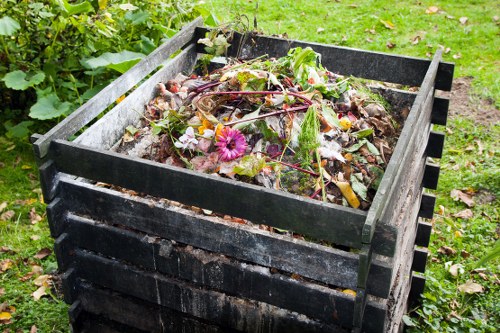
Good waste management is not only about moving material away; it is also about choosing the right treatment for what you are disposing of. Many jobs produce a mix of reusable, recyclable and residual waste, and those streams should not always be handled in the same way. Sorting items sensibly before collection can make disposal more efficient and can also help direct suitable materials into the right recovery process. That is especially important on jobs with timber, metal, cardboard, green waste and rubble together.
For customers who want a clearer route through mixed disposal, recycling and sustainability and waste recycling services explain the broader approach to material recovery and responsible disposal. Where a project creates restricted or sensitive waste, hazardous waste disposal should be considered separately rather than added to a standard load. That keeps the job compliant with the correct handling requirements and avoids mixing unsuitable items into ordinary waste streams.
The most effective arrangements tend to be simple: separate what can be separated, choose the right service for the main waste type, and keep anything unusual aside until it has been assessed properly. If you are ready to move ahead, send your details for a quotation and choose the disposal route that matches your project.